

Publications
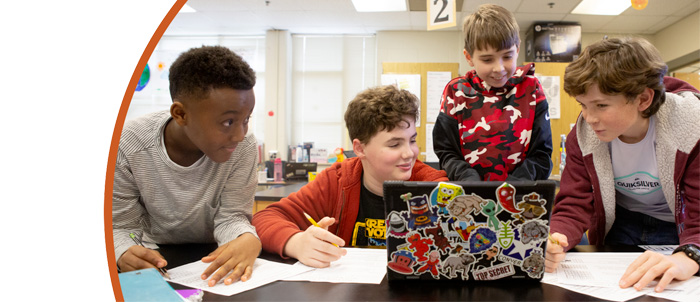
Studies of procedural and conceptual learning typically focus on the cognitive processes involved; less attention is paid to student motivation. Motivation research has established a connection to general academic achievement, but less is known about how motivation relates to different types of learning. We aim to integrate this prior work on cognition and motivation, testing how students' motivation is related to different types of learning outcomes. Specifically, we measured 6th grade science students' self-efficacy and achievement goals via self-report as well as performance on both procedural and conceptual assessment items during a force and motion unit. Results revealed students' self-efficacy was significantly related to later conceptual, but not procedural, knowledge. In addition, students' achievement goals, specifically mastery-approach goals, were positively related to their self-efficacy beliefs.


