

Lightning Roundtable Infographics
Lightning Roundtable Infographics
Breakout Session 1: Tuesday, 9:00 - 10:15 a.m.
Advances in Research Synthesis and Meta-Analysis of STEM Learning
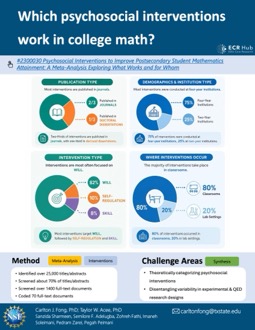
Which psychosocial interventions work in college math?
Presenter: Carlton Fong, Texas State University
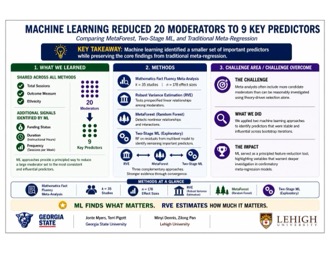
Machine Learning Reduced 20 Moderators to 9 Key Predictors
Presenter: Jonté Myers, Georgia State University
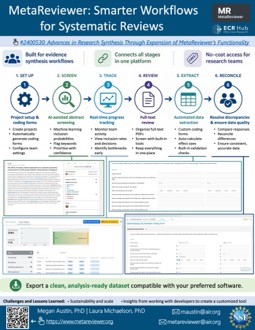
MetaReviewer: Smarter Workflows for Systematic Reviews
Presenter: Megan Austin, American Institutes for Research
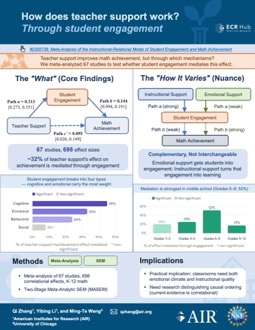
How does teacher support work? Through student engagement
Presenter: Qi Zhang, American Institutes for Research
Fundamental Research on Digital Learning Environments
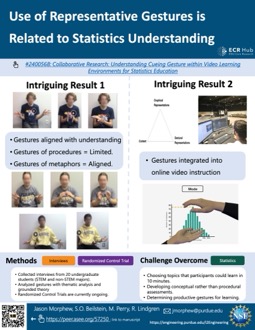
Use of Representative Gestures is Related to Statistics Understanding
Presenter: Jason Morphew, Purdue University
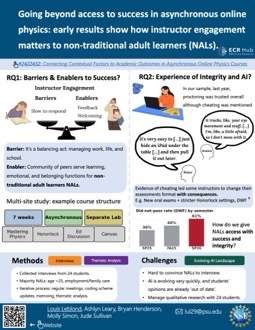
Presenter: Louis Leblond, Pennsylvania State University
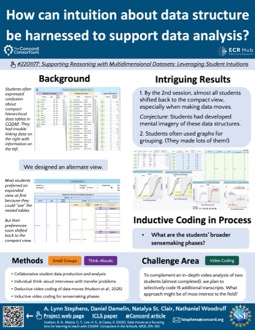
How can intuition about data structure be harnessed to support data analysis?
Presenter: Lynn Stephens, Concord Consortium
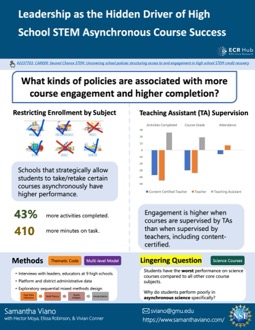
Leadership as the Hidden Driver of High School STEM Asynchronous Course Success
Presenter: Samantha Viano, George Mason University
Investigating Motivation and Engagement in STEM Learning
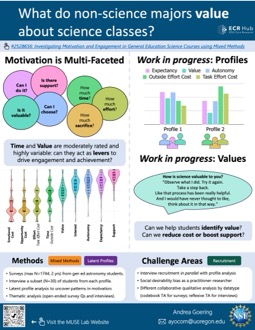
What do non-science majors value about science classes?
Presenter: Andrea Goering, University of Oregon
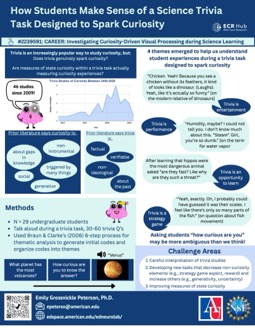
How Students Make Sense of a Science Trivia Task Designed to Spark Curiosity
Presenter: Emily Peterson, American University
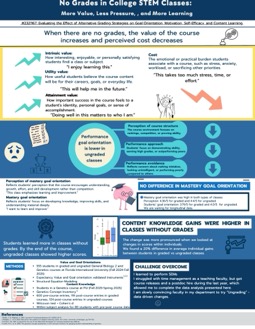
No Grades in College STEM Classes: More Value, Less Pressure, and More Learning
Presenter: Karla Rivera Caceres, Florida International University
Research on Broadening Participation in Academic STEM Careers
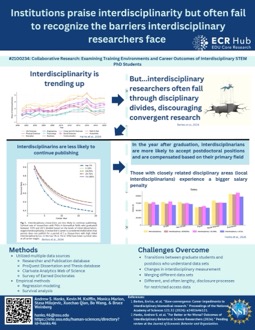
Presenter: Andrew Hanks, The Ohio State University
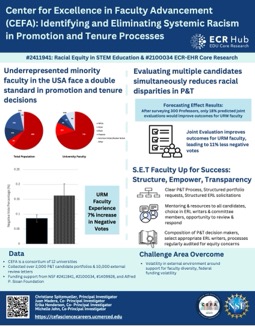
Presenter: Christiane Spitzmueller, University of California, Merced
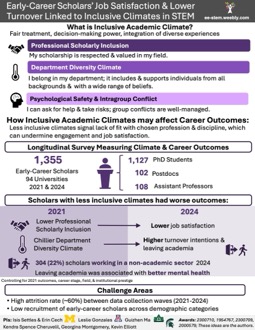
Early-Career Scholars’ Job Satisfaction & Lower Turnover Linked to Inclusive Climates in STEM
Presenter: Kendra Cheruvelil, Michigan State University
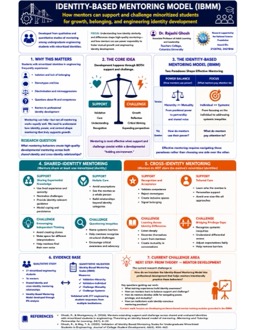
Presenter: Rajashi Ghosh, Teachers College, Columbia University
Breakout Session 2: Tuesday, 10:45 a.m. - 12:00 p.m.
AI and Emerging Technologies in STEM Learning
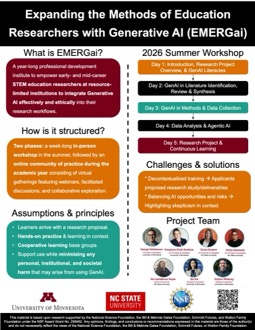
Expanding the Methods of Education Researchers with Generative AI (EMERGai)
Presenter: George Veletsianos, University of Minnesota Twin Cities
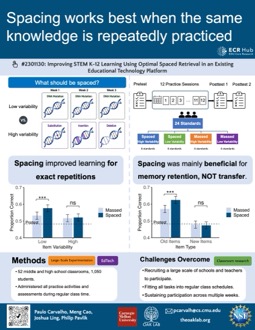
Spacing works best when the same knowledge is repeatedly practiced
Presenter: Paulo Carvalho, Carnegie Mellon University
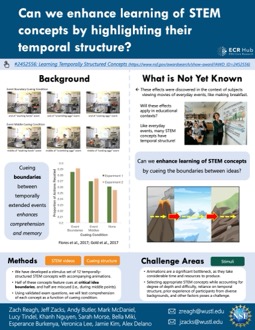
Can we enhance learning of STEM concepts by highlighting their temporal structure?
Presenter: Zachariah Reagh, Washington University in St. Louis
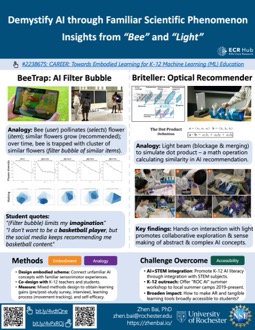
Demystify AI through Familiar Scientific Phenomenon Insights from “Bee” and “Light”
Presenter: Zhen Bai, University of Rochester
Collaborative Learning and Peer Interactions
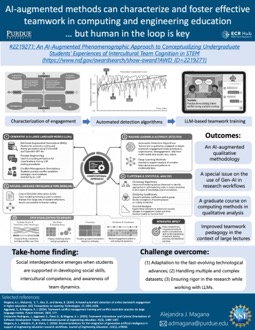
Presenter: Alejandra Magana, Purdue University
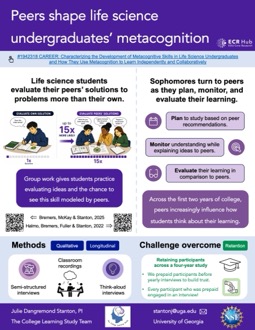
Peers shape life science undergraduates’ metacognition
Presenter: Julie Stanton, University of Georgia
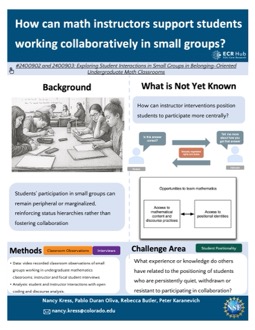
How can math instructors support students working collaboratively in small groups?
Presenter: Nancy Kress, University of Colorado Boulder
Conceptual Development and Reasoning in Undergraduate STEM Courses
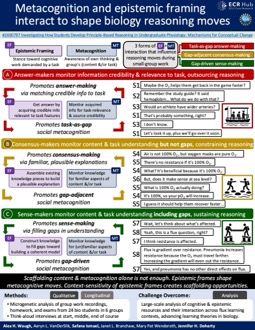
Metacognition and epistemic framing interact to shape biology reasoning moves
Presenter: Jennifer Doherty, Michigan State University
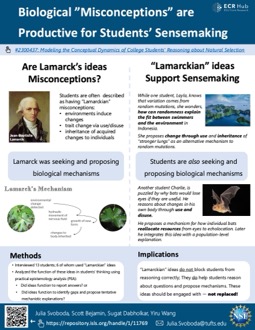
Biological ”Misconceptions” are Productive for Students’ Sensemaking
Presenter: Julia Svoboda, Tufts University
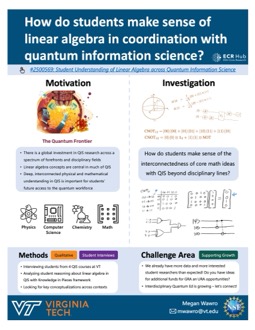
How do students make sense of linear algebra in coordination with quantum information science?
Presenter: Megan Wawro, Virginia Tech
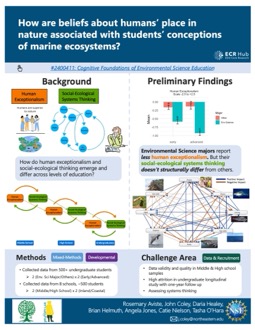
Presenter: Rosemary Aviste, Northeastern University
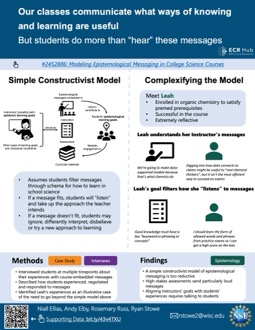
Presenter: Ryan Stowe, University of Wisconsion - Madison
Longitudinal Research on Early STEM Learning
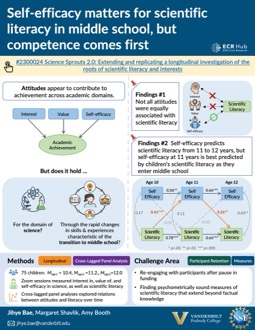
Self-efficacy matters for scientific literacy in middle school, but competence comes first
Presenter: Jihye Bae, Vanderbilt University
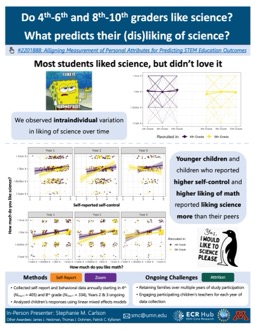
Do 4th-6th and 8th-10th graders like science? What predicts their (dis)liking of science?
Presenter: Stephanie Carlson, University of Minnesota
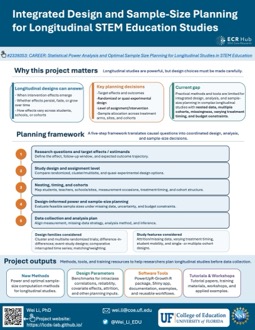
Integrated Design and Sample-Size Planning for Longitudinal STEM Education Studies
Presenter: Wei Li, University of Florida
Breakout Session 3: Tuesday, 1:30 p.m. - 2:45 p.m.
Mathematical Cognition in Elementary and Middle School
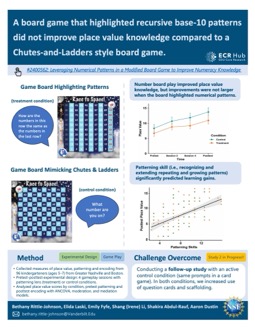
Presenter: Bethany Rittle-Johnson, Vanderbilt University
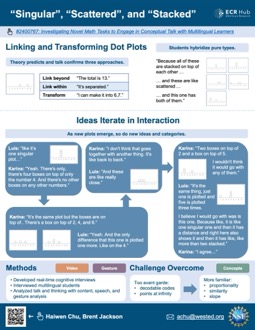
“Singular”, “Scattered”, and “Stacked”
Presenter: Haiwen Chu, WestEd
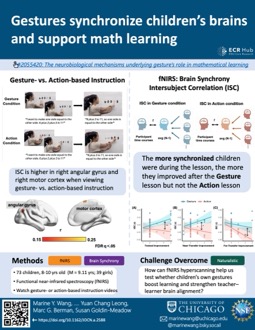
Gestures synchronize children’s brains and support math learning
Presenter: Marine Wang, University of Chicago
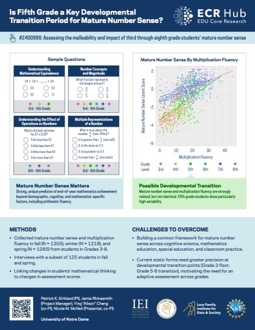
Is Fifth Grade a Key Developmental Transition Period for Mature Number Sense?
Presenter: Nicole McNeil, University of Notre Dame
Spatial Thinking in STEM
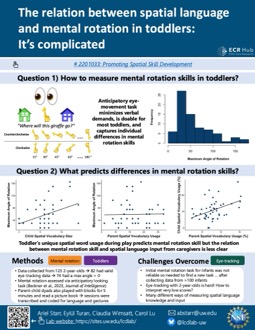
The relation between spatial language and mental rotation in toddlers: It’s complicated
Presenter: Ariel Starr, University of Washington
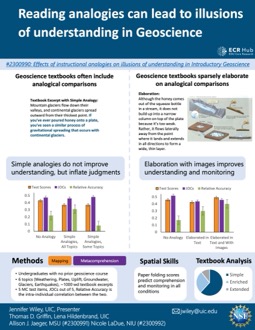
Reading analogies can lead to illusions of understanding in Geoscience
Presenter: Jennifer Wiley, University of Illinois at Chicago
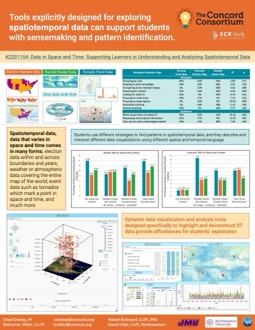
Presenter: Katherine Miller, Concord Consortium
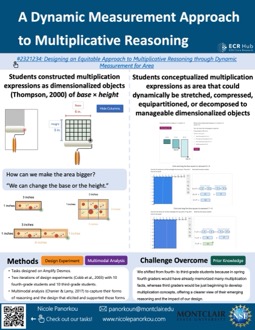
A Dynamic Measurement Approach to Multiplicative Reasoning
Presenter: Nicole Panorkou, Montclair State University
Undergraduate STEM Persistence, Identity, and Pathways
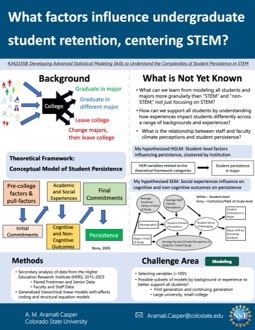
What factors influence undergraduate student retention, centering STEM?
Presenter: Aramati Casper, Colorado State University
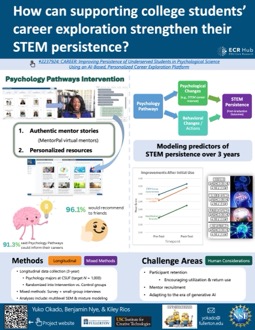
How can supporting college students’ career exploration strengthen their STEM persistence?
Presenter: Yuko Okado, California State University, Fullerton
Breakout Session 4: Tuesday, 3:15 p.m. – 4:30 p.m.
Emerging Competencies and Workforce Pathways in STEM
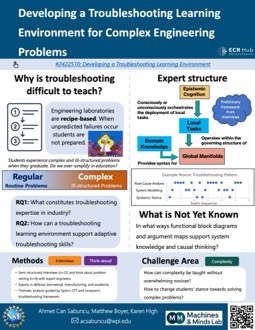
Developing a Troubleshooting Learning Environment for Complex Engineering Problems
Presenter: Ahmet Can Sabuncu, Worcester Polytechnic Institute
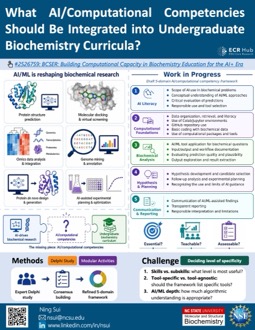
What AI/Computational Competencies Should Be Integrated into Undergraduate Biochemistry Curricula?
Presenter: Ning Sui, North Carolina State University
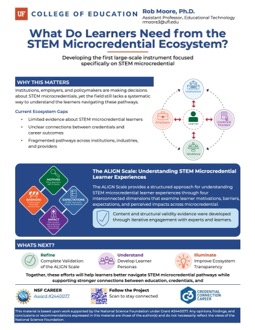
What Do Learners Need from the STEM Microcredential Ecosystem?
Presenter: Rob Moore, University of Florida
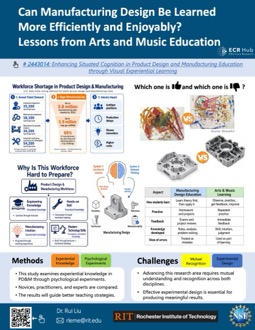
Presenter: Rui Liu, Rochester Institute of Technology
Parent and Family Influences on Early STEM Learning
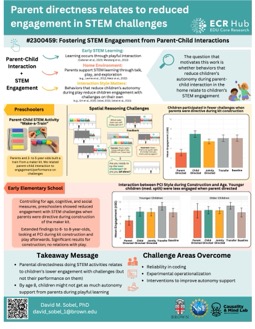
Parent directness relates to reduced engagement in STEM challenges
Presenter: David Sobel, Brown University
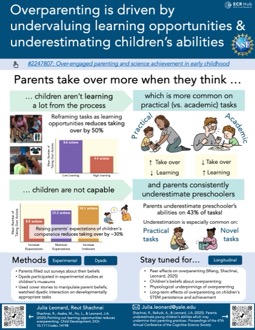
Presenter: Julia Leonard, Yale University
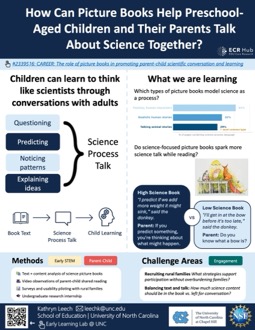
How Can Picture Books Help Preschool-Aged Children and Their Parents Talk About Science Together?
Presenter: Katie Leech, University of North Carolina Chapel Hill
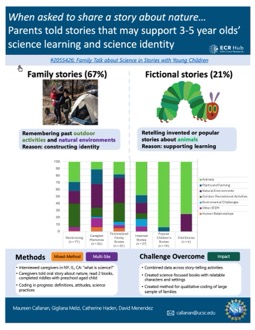
Presenter: Maureen Callanan, University of California Santa Cruz
Teacher Reasoning, Identity, and Development
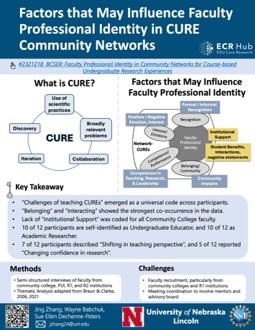
Factors that May Influence Faculty Professional Identity in CURE Community Networks
Presenter: Jing Zhang, University of Nebraska-Lincoln
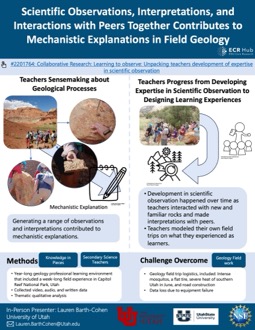
Presenter: Lauren Barth-Cohen, University of Utah
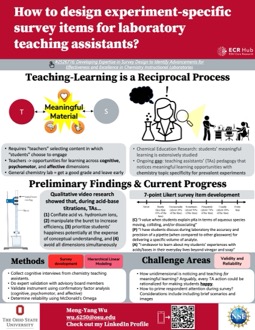
How to design experiment-specific survey items for laboratory teaching assistants?
Presenter: Matt Wu, The Ohio State University
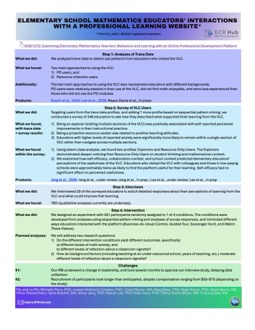
Elementary school mathematics educators' interactions with a professional learning website
Presenter: Michelle Perry, University of Illinois Urbana-Champaign
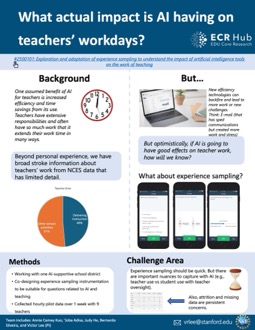
What actual impact is AI having on teachers’ workdays?
Presenter: Victor Lee, Stanford University
Breakout Session 5: Wednesday, 10:00 a.m. - 11:15 a.m.
Career Interests and Identity Development Among STEM Undergraduates
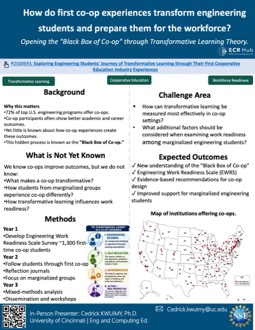
How do first co-op experiences transform engineering students and prepare them for the workforce?
Presenter: Cedrick Kwuimy, University of Cincinnati
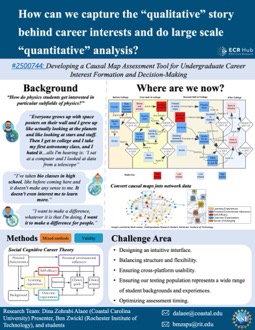
Presenter: Dina Zohrabi Alaee, Coastal Carolina University
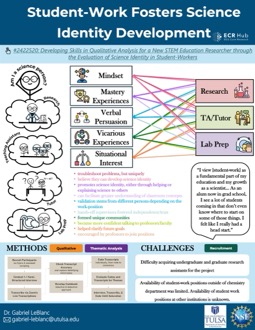
Student-Work Fosters Science Identity Development
Presenter: Gabriel LeBlanc, University of Tulsa
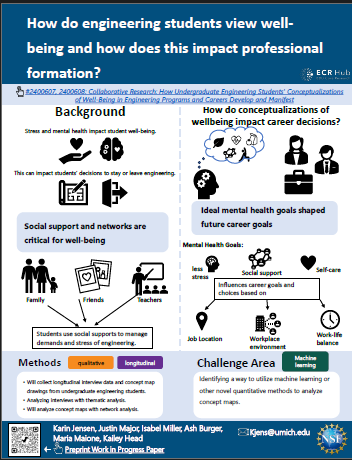
How do engineering students view well-being and how does this impact professional formation?
Presenter: Karin Jensen, University of Michigan/Justin Major, Rowan University
Measuring Learning Constructs and Processes in Innovative Ways
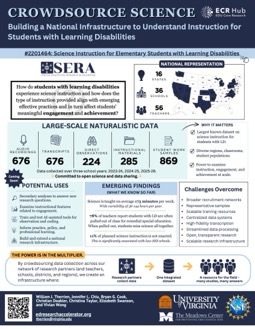
Building a National Infrastructure to Understand Instruction for Students with Learning Disabilities
Presenter: Bill Therrien, University of Virginia
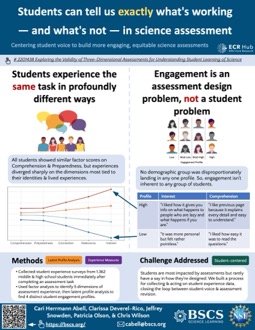
Students can tell us exactly what's working — and what's not — in science assessment
Presenter: Cari Herrmann Abell, BSCS Science Learning
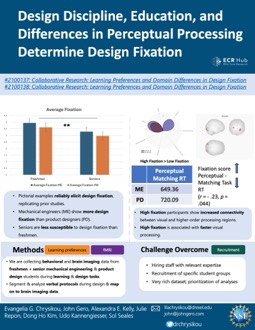
Design Discipline, Education, and Differences in Perceptual Processing Determine Design Fixation
Presenter: John Gero, Drexel University
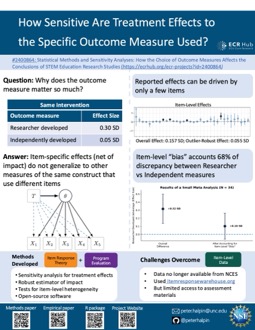
How Sensitive Are Treatment Effects to the Specific Outcome Measure Used?
Presenter: Peter Halpin, University of North Carolina Chapel Hill
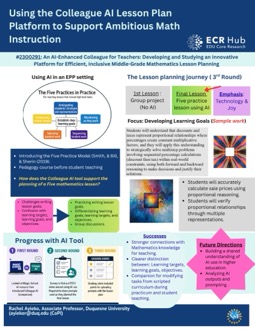
Using the Colleague AI Lesson Plan Platform to Support Ambitious Math Instruction
Presenter: Rachel Ayieko, Duquesne University
Using Informal Learning Environments to Broaden Participation in STEM
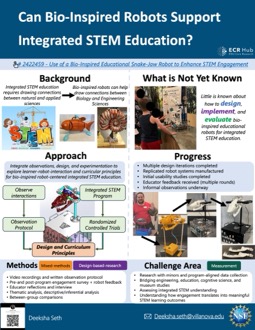
Can Bio-Inspired Robots Support Integrated STEM Education?
Presenter: Deeksha Seth, Villanova University
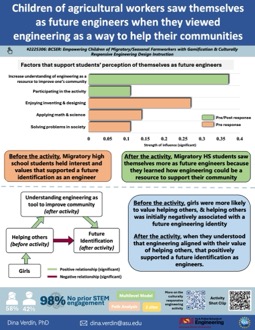
Presenter: Dina Verdín, Arizona State University
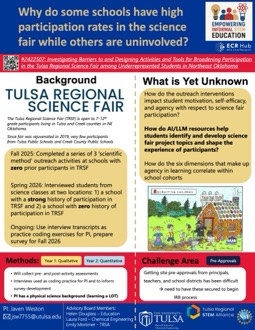
Why do some schools have high participation rates in the science fair while others are uninvolved?
Presenter: Javen Weston, University of Tulsa
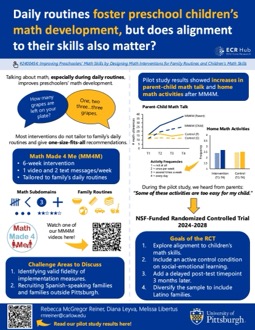
Presenter: Rebecca Reiner, Carlow University
Contact us if you need a more accessible format for the PDF infographics. Please provide the name of the lightning roundtable infographic and desired format.


